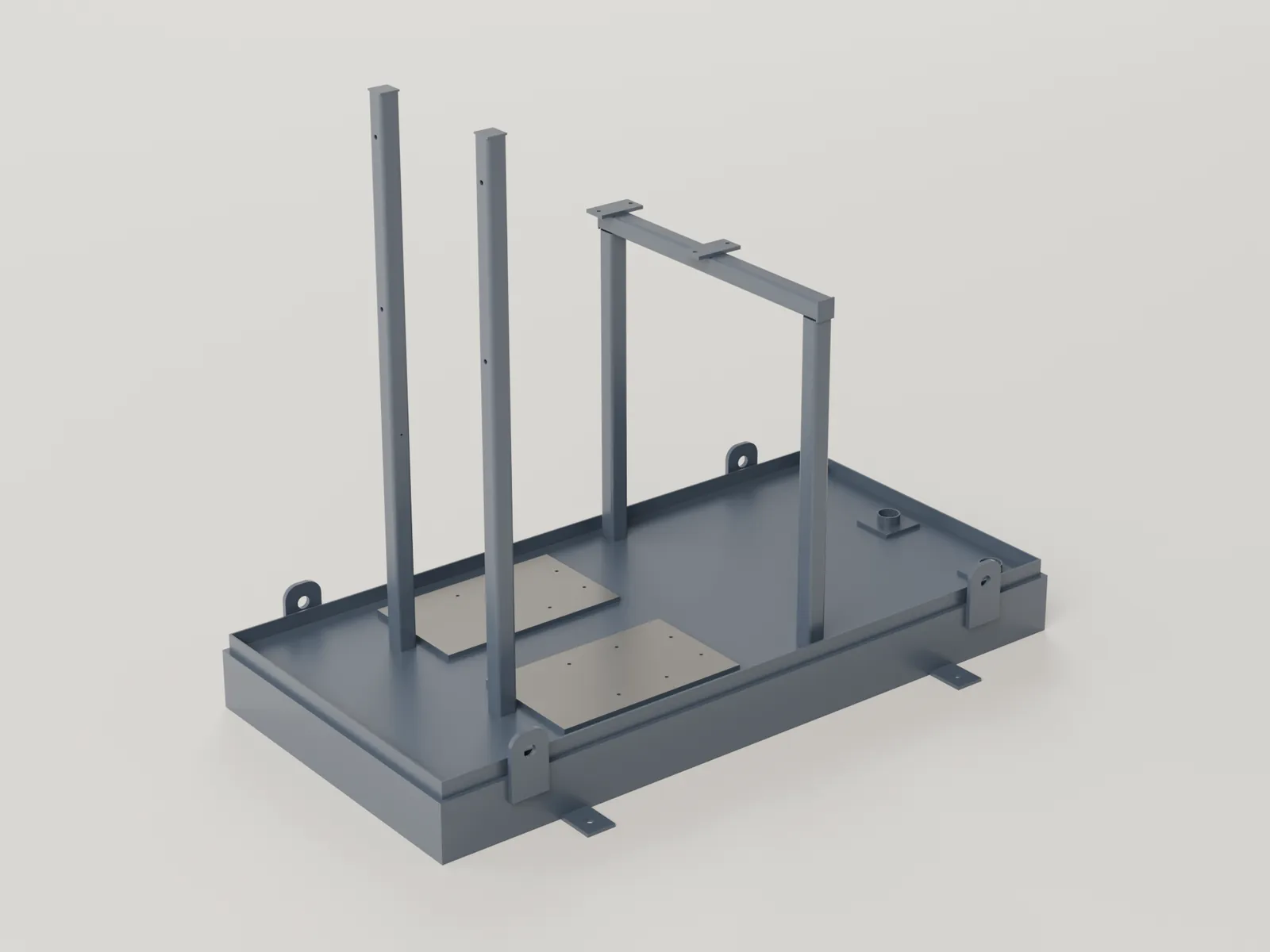
Duplex transfer pump skid
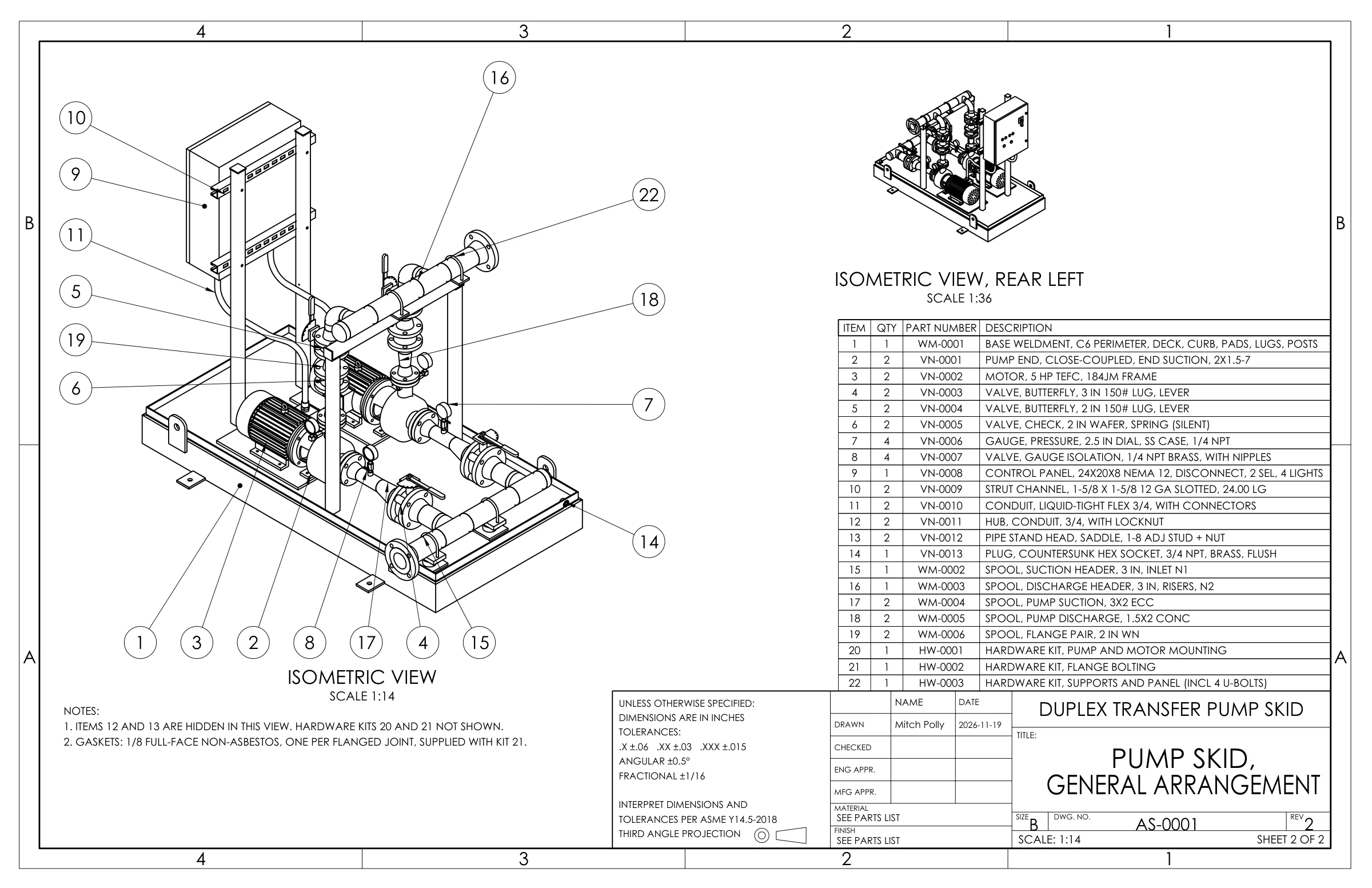
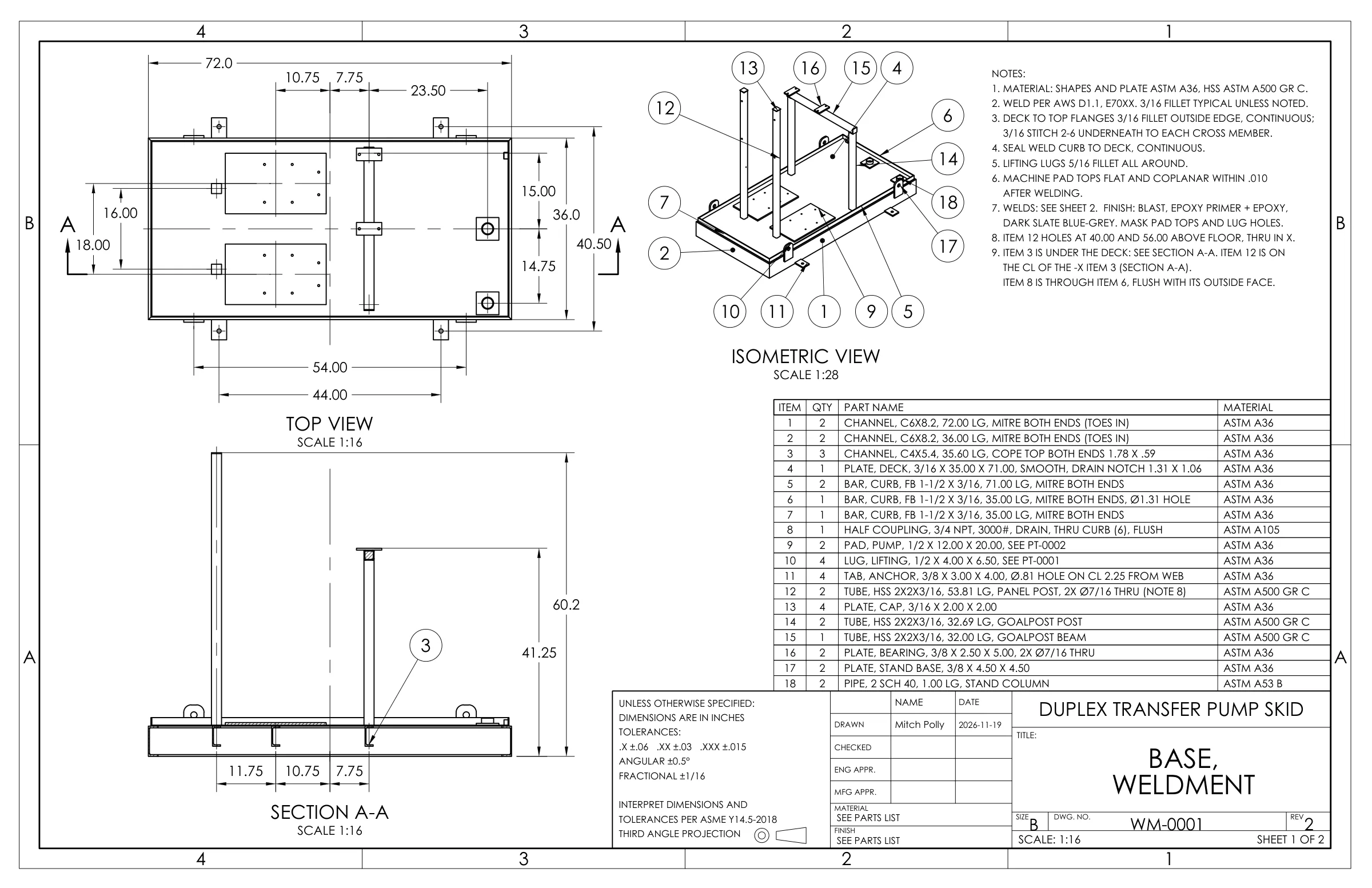
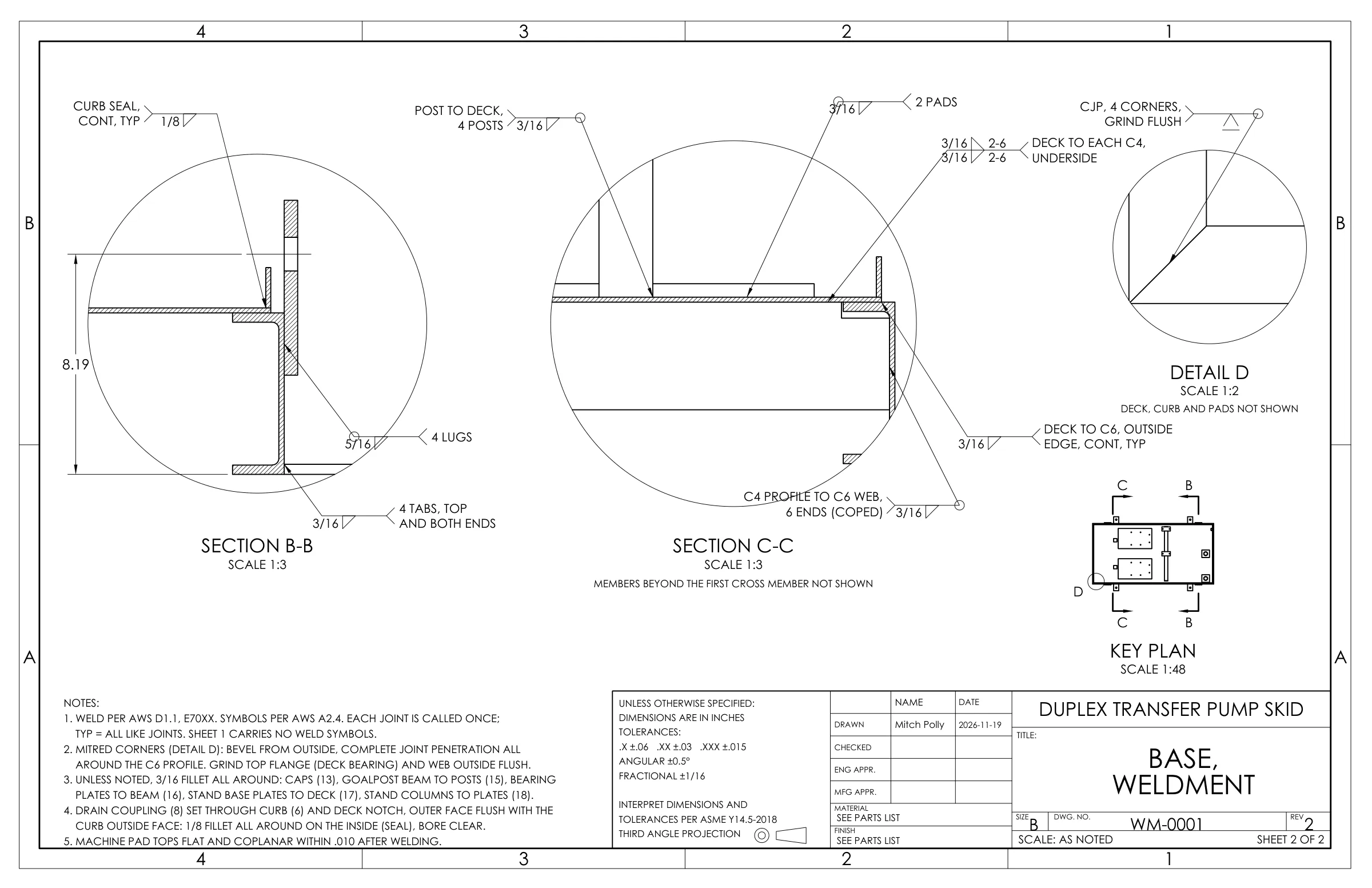
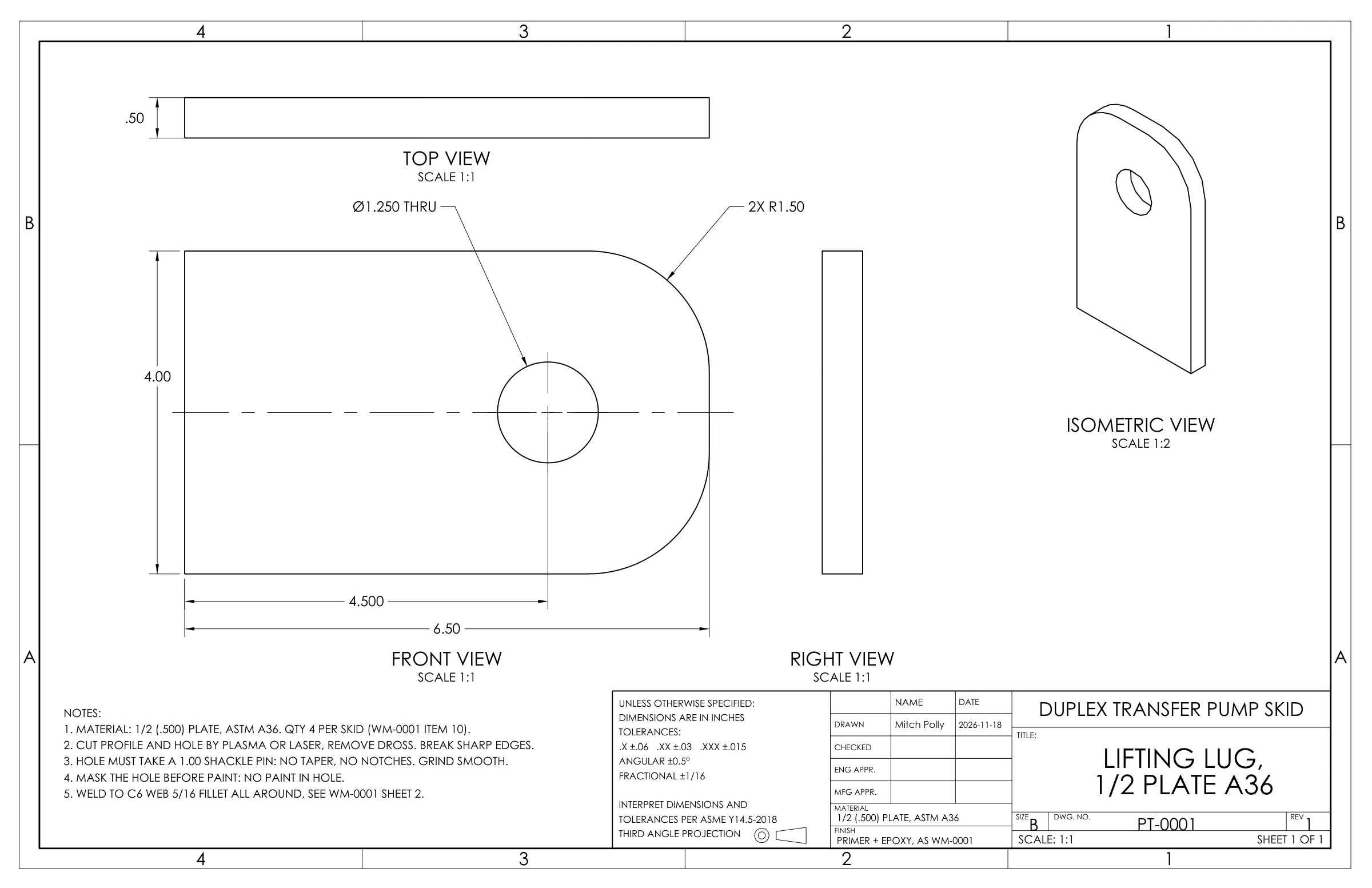
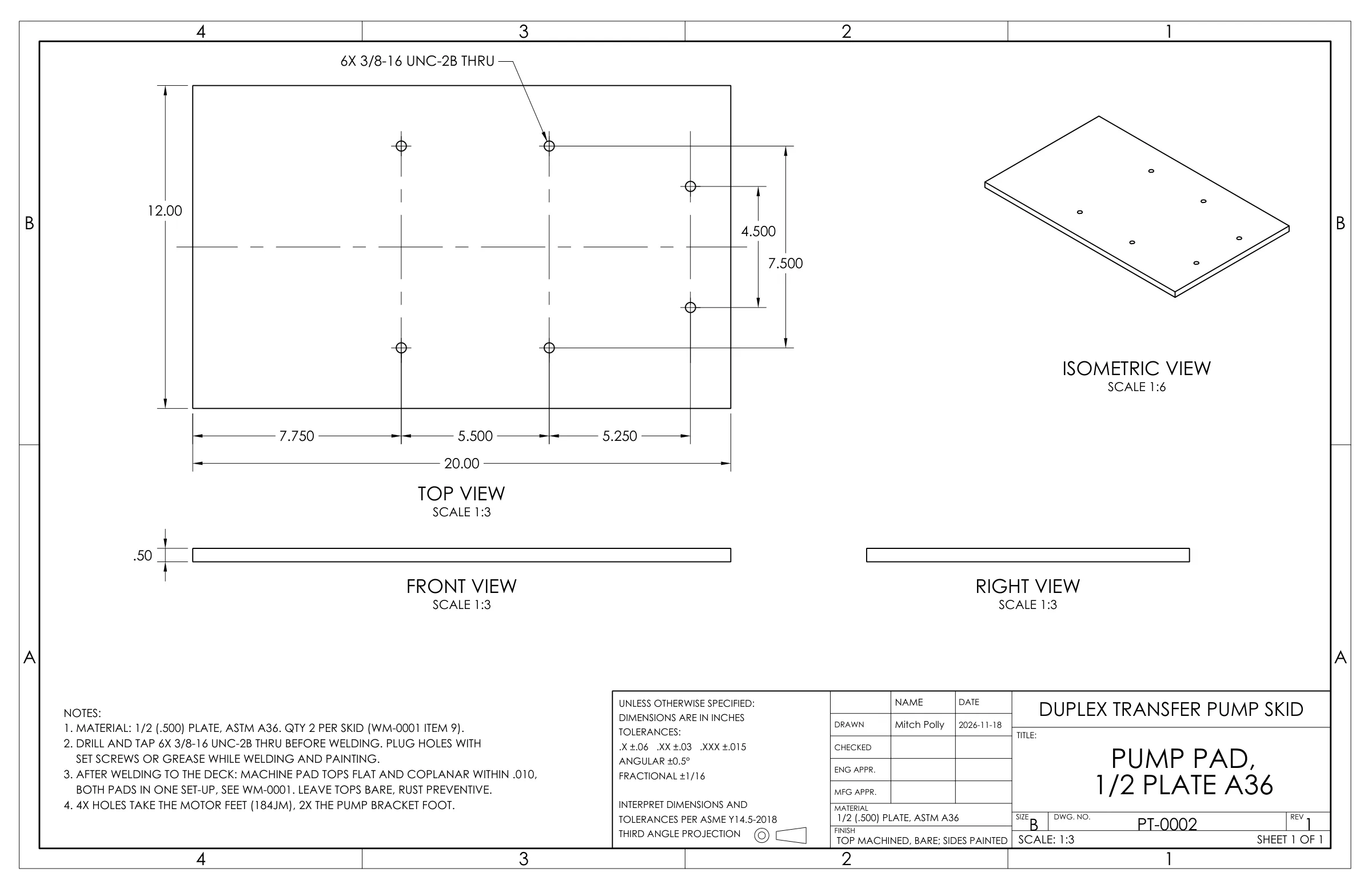
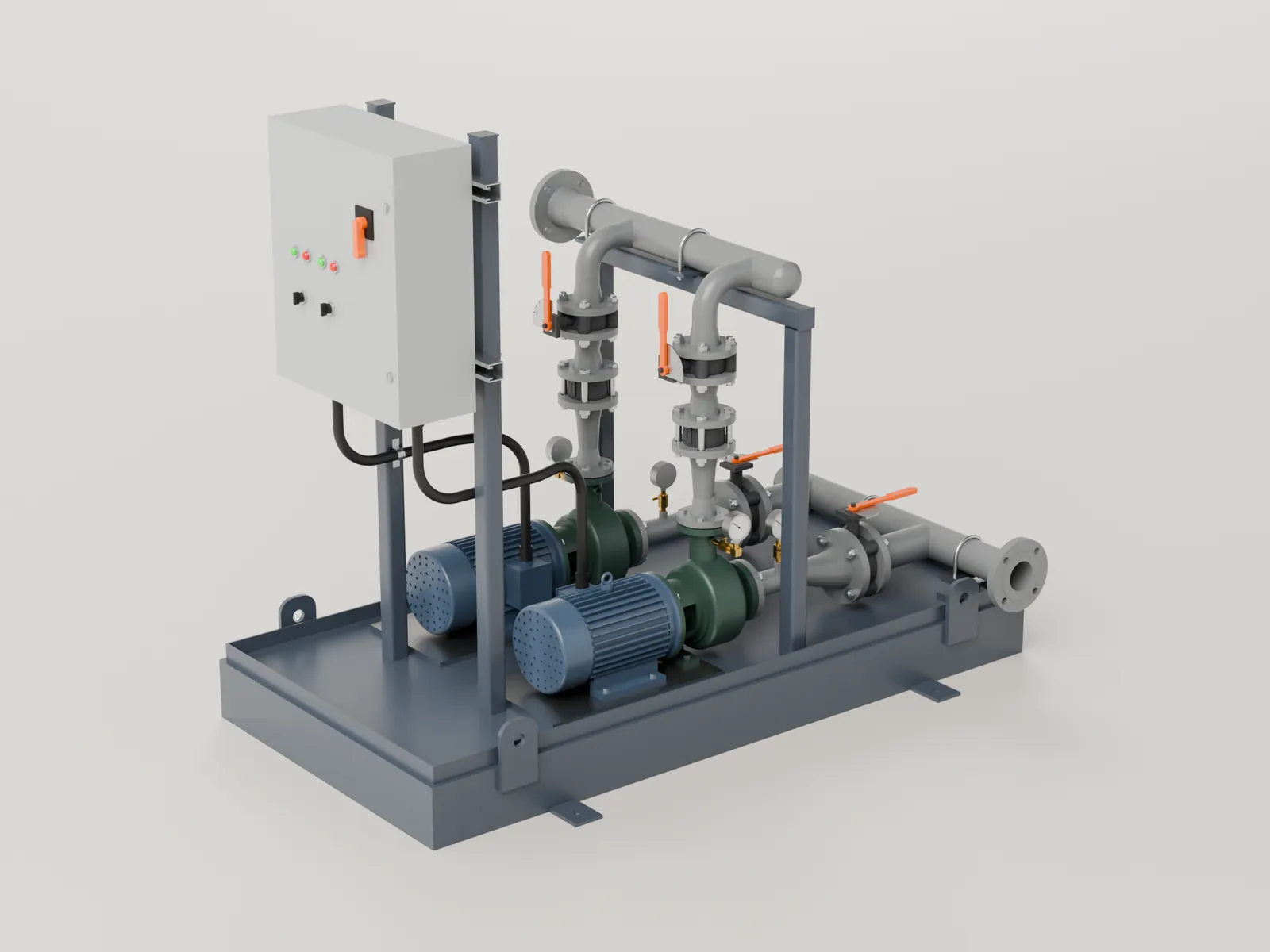
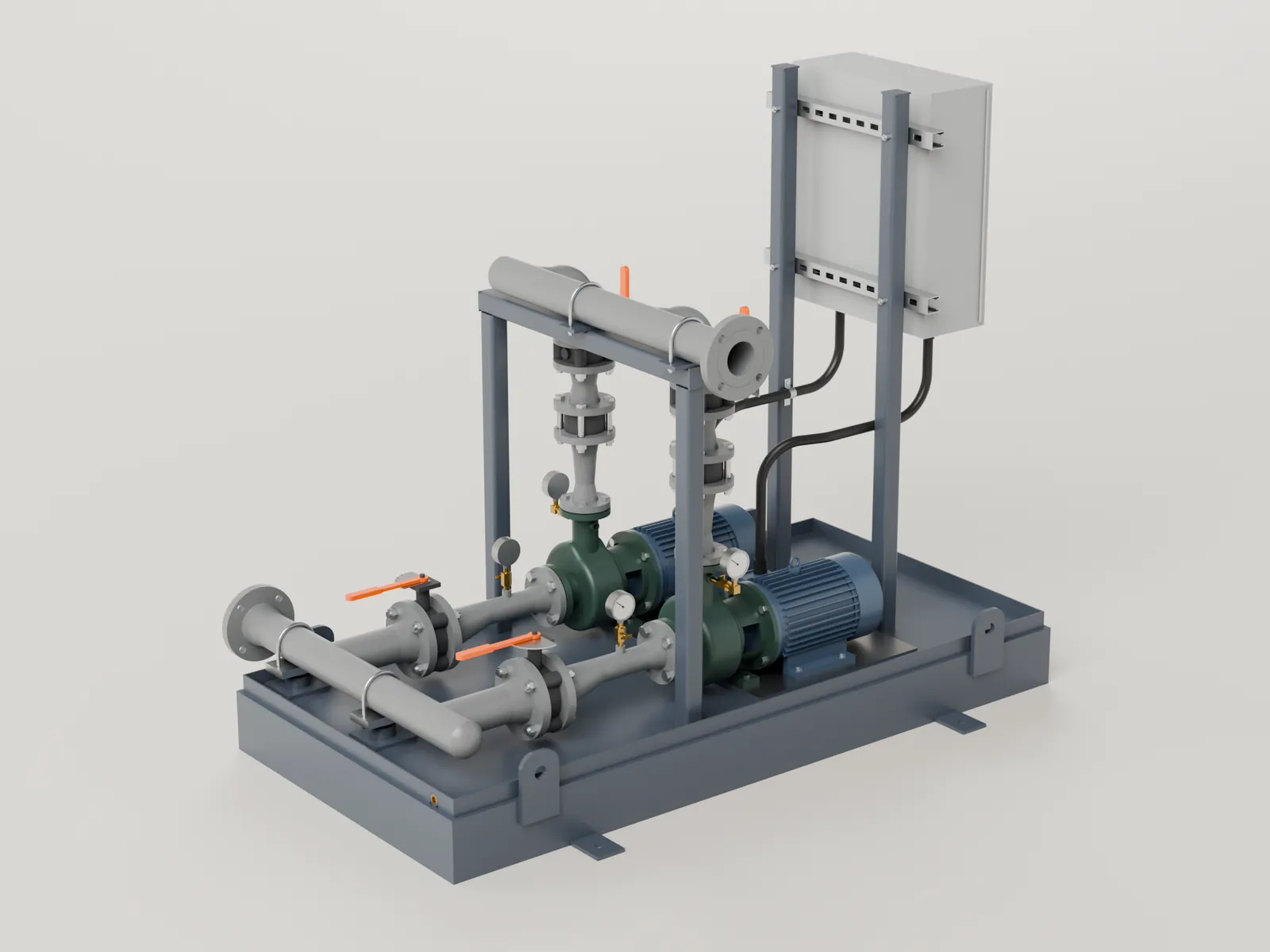
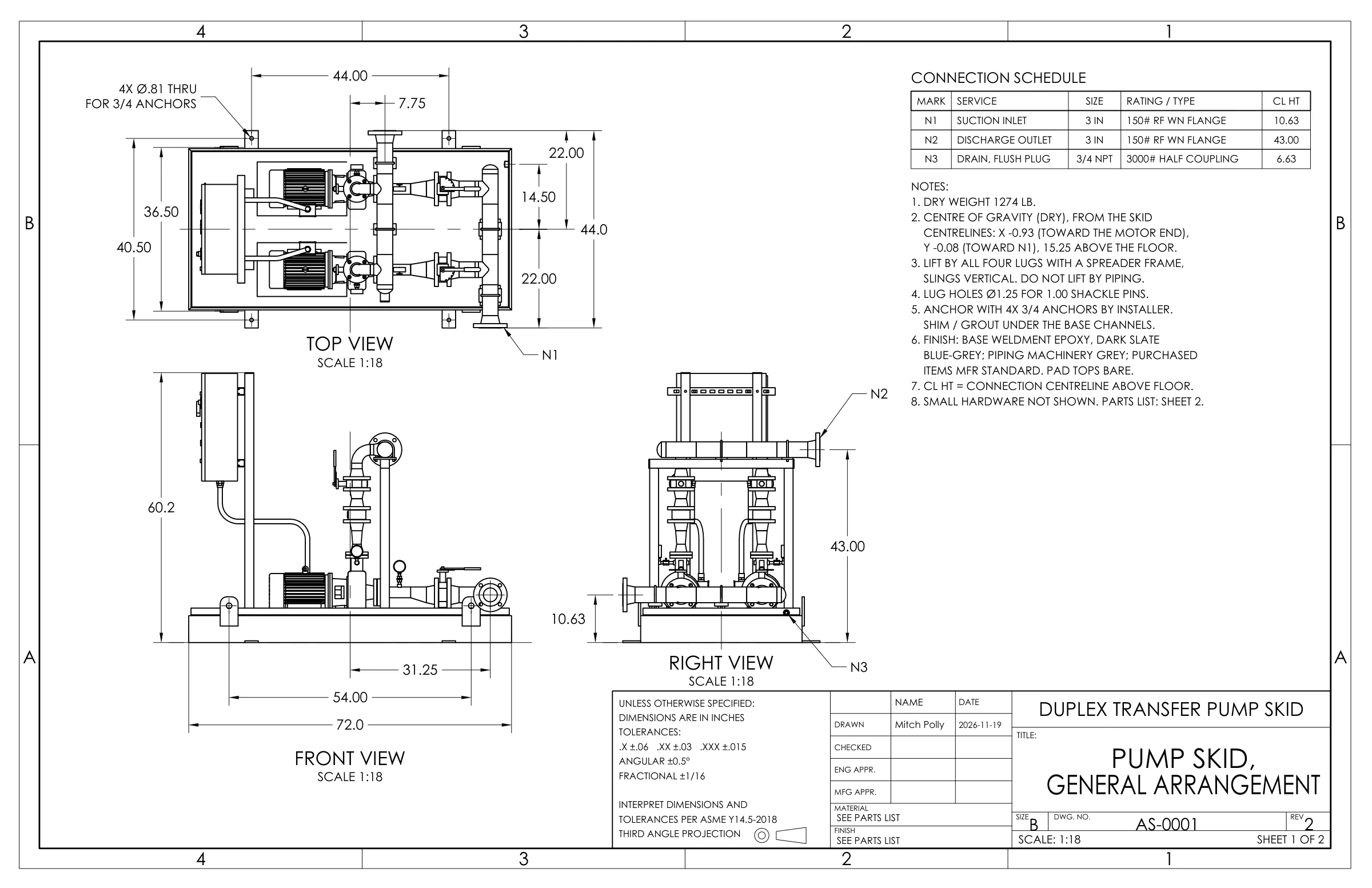
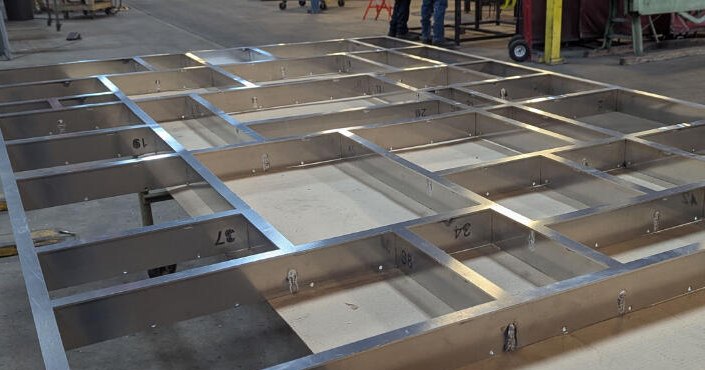
Two pumps on a 72 x 36 in welded base with a drip curb, lifting lugs, piping and a panel stand. 274 parts, 1,274 lb dry. The package is a model, renders and a six sheet drawing set with weld symbols and a cut list.
Mechanical design · sheet metal · weldments · enclosures · printed prototypes
Twenty years designing parts that have to be made. Send a sketch, a photo or an old print, and get back models, flat patterns and drawings a shop can build from.
Fixed quote before I start · You own the files · NDA on request
Pick the one that sounds like your problem.
Parts and assemblies designed for how they'll be made: laser, brake, weld or print.
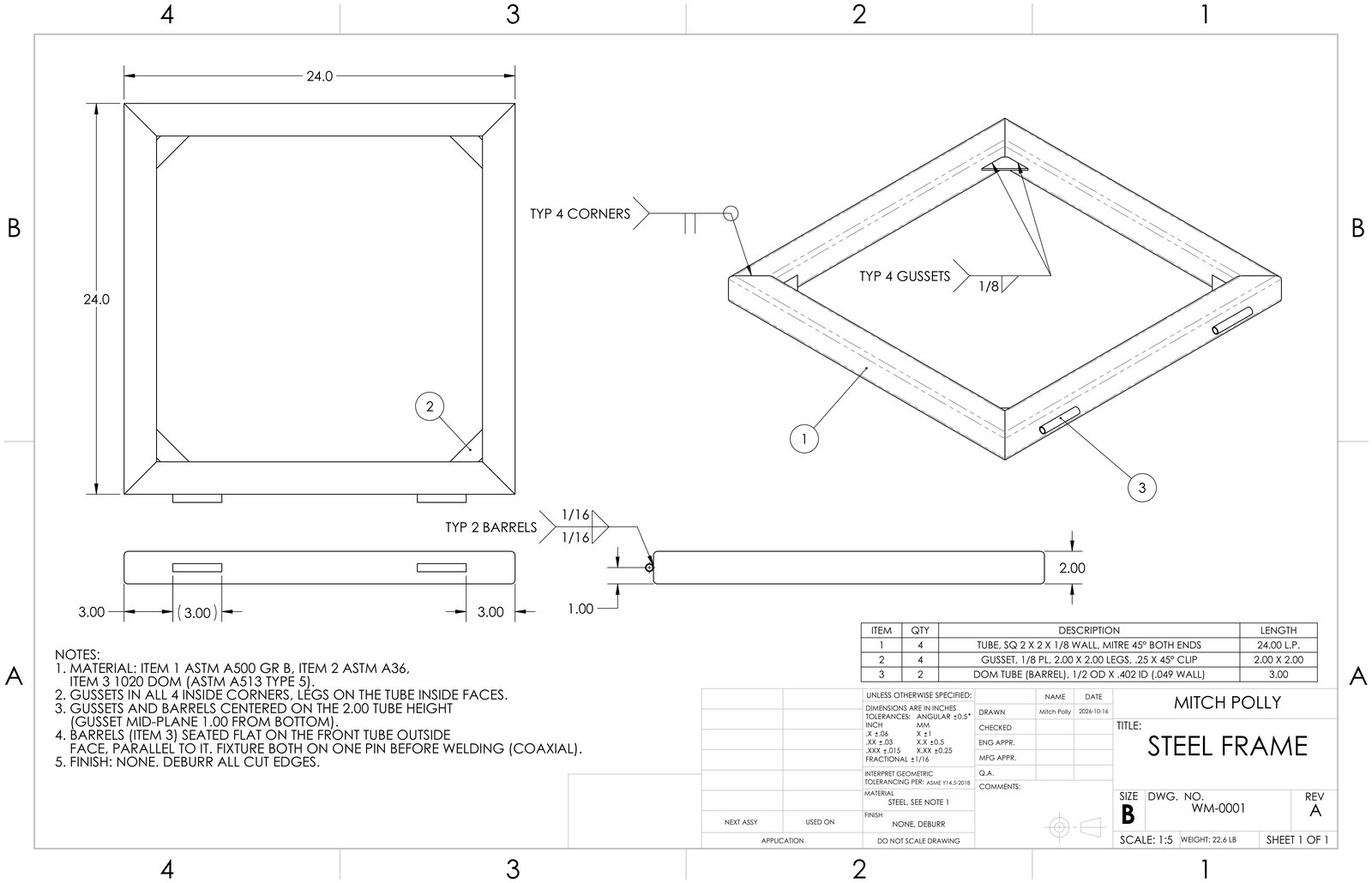
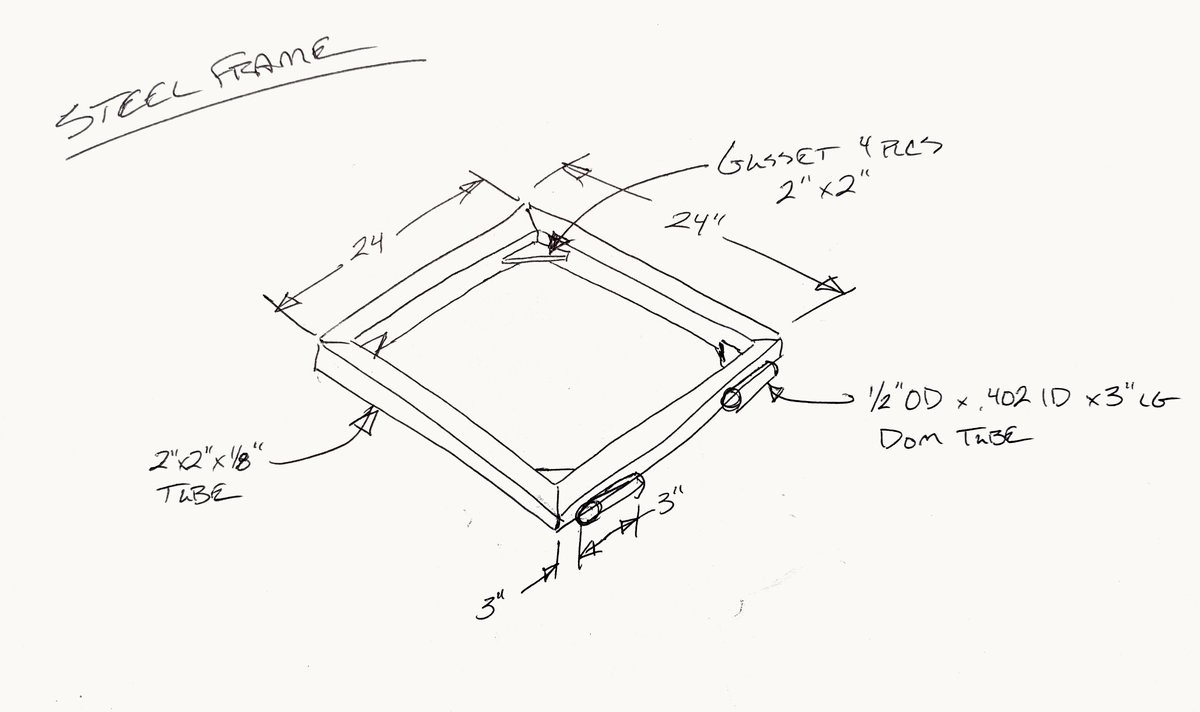
Shop drawings from a sketch, a photo, an old print or a STEP file.
 Click to zoom
A working first unit: printed parts, electronics, a board if it needs one.
Renders, exploded views and interactive demos that sell it before it exists.
 Drag to spin
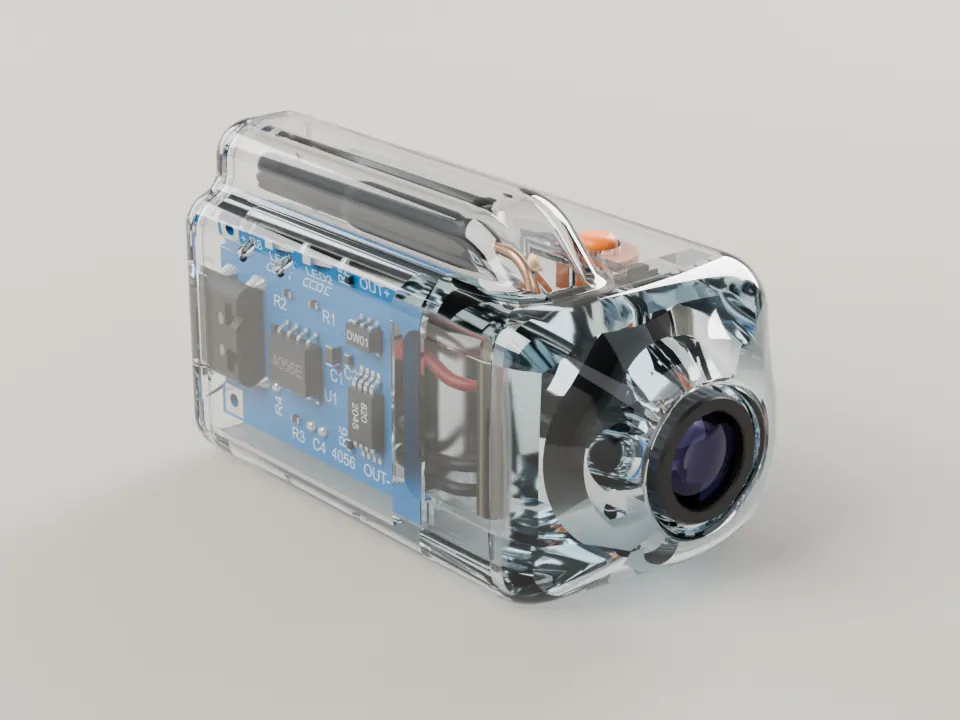
FPV camera for RC cars. The housing is shown clear so the boards, battery, wiring and camera inside stay visible.
The drawing or document you make every week, made in minutes.
Try it. Change a size and the drawing, the flat pattern and the cut list all follow.
Inputs
Rules
Cut list
| Part no | Qty | Material | Flat size | Bends | Holes | Weight |
|---|---|---|---|---|---|---|
| SH-2418-16 | 1 | 16 GA CRS | 25.82 x 18.00 | 2 | 10 | 7.9 lb |
A small example. Yours runs on your parts, your title block and your rules.
Two pumps on a 72 x 36 in welded base with a drip curb, lifting lugs, piping and a panel stand. 274 parts, 1,274 lb dry. The package is a model, renders and a six sheet drawing set with weld symbols and a cut list.
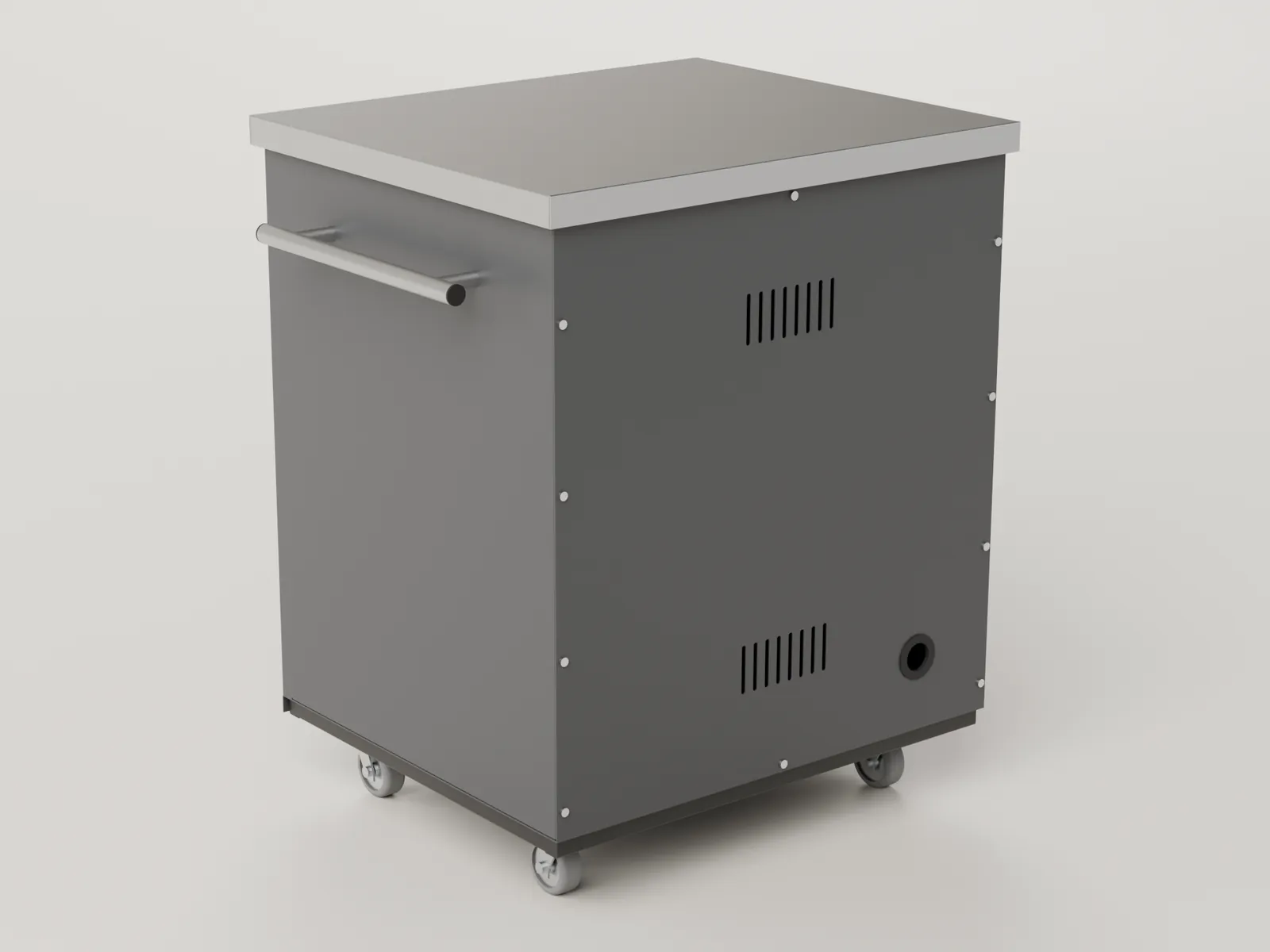
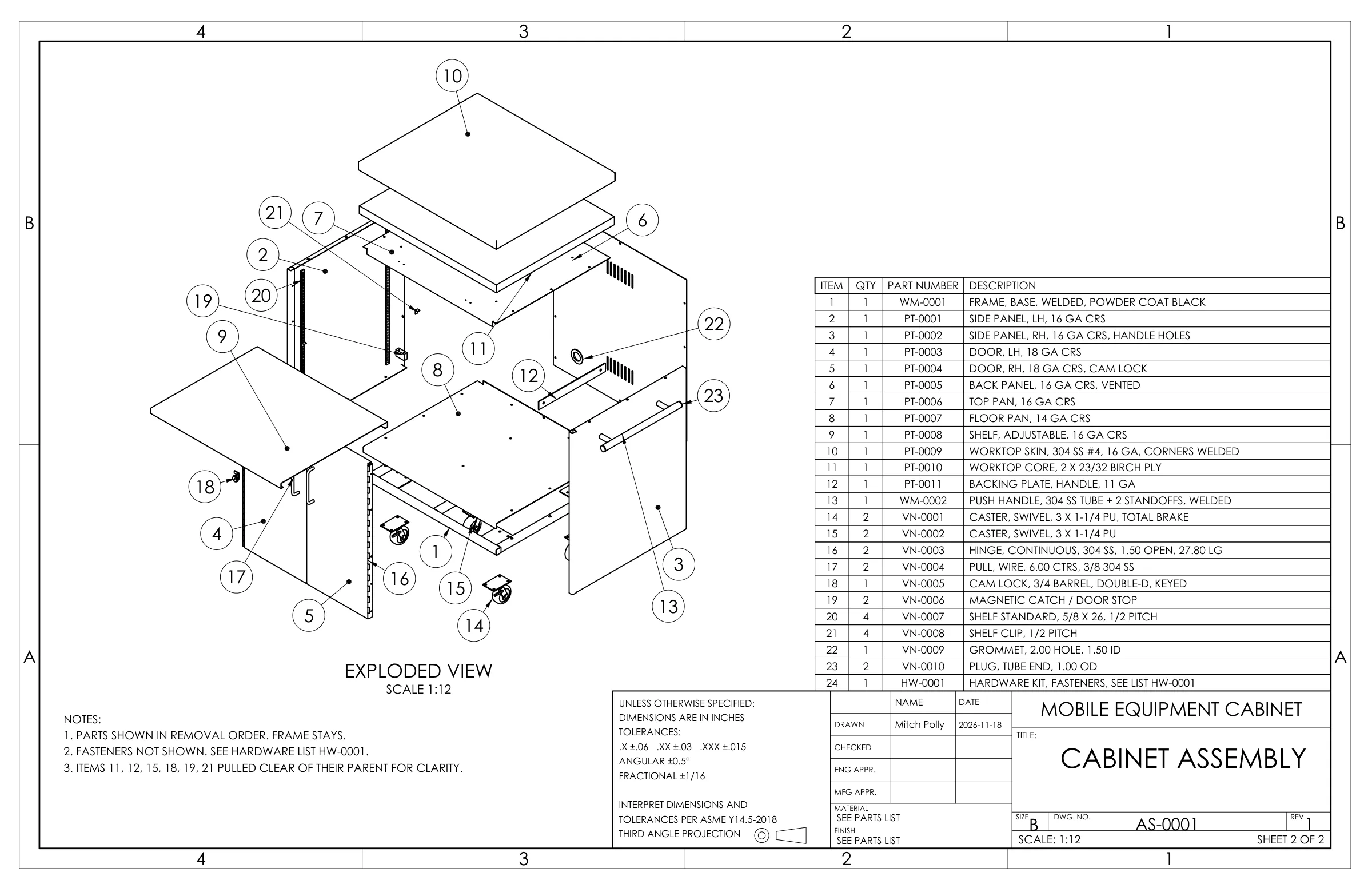
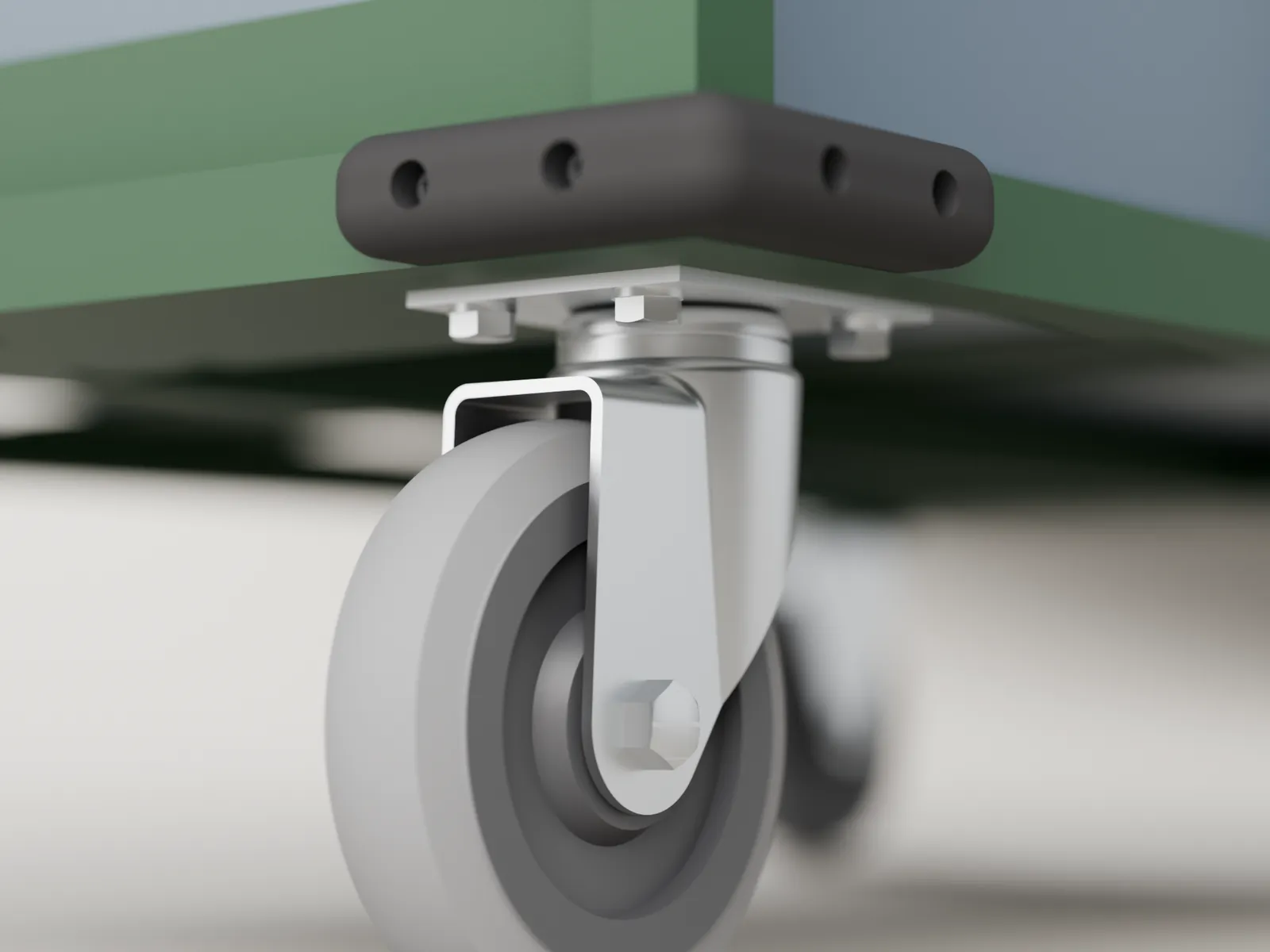
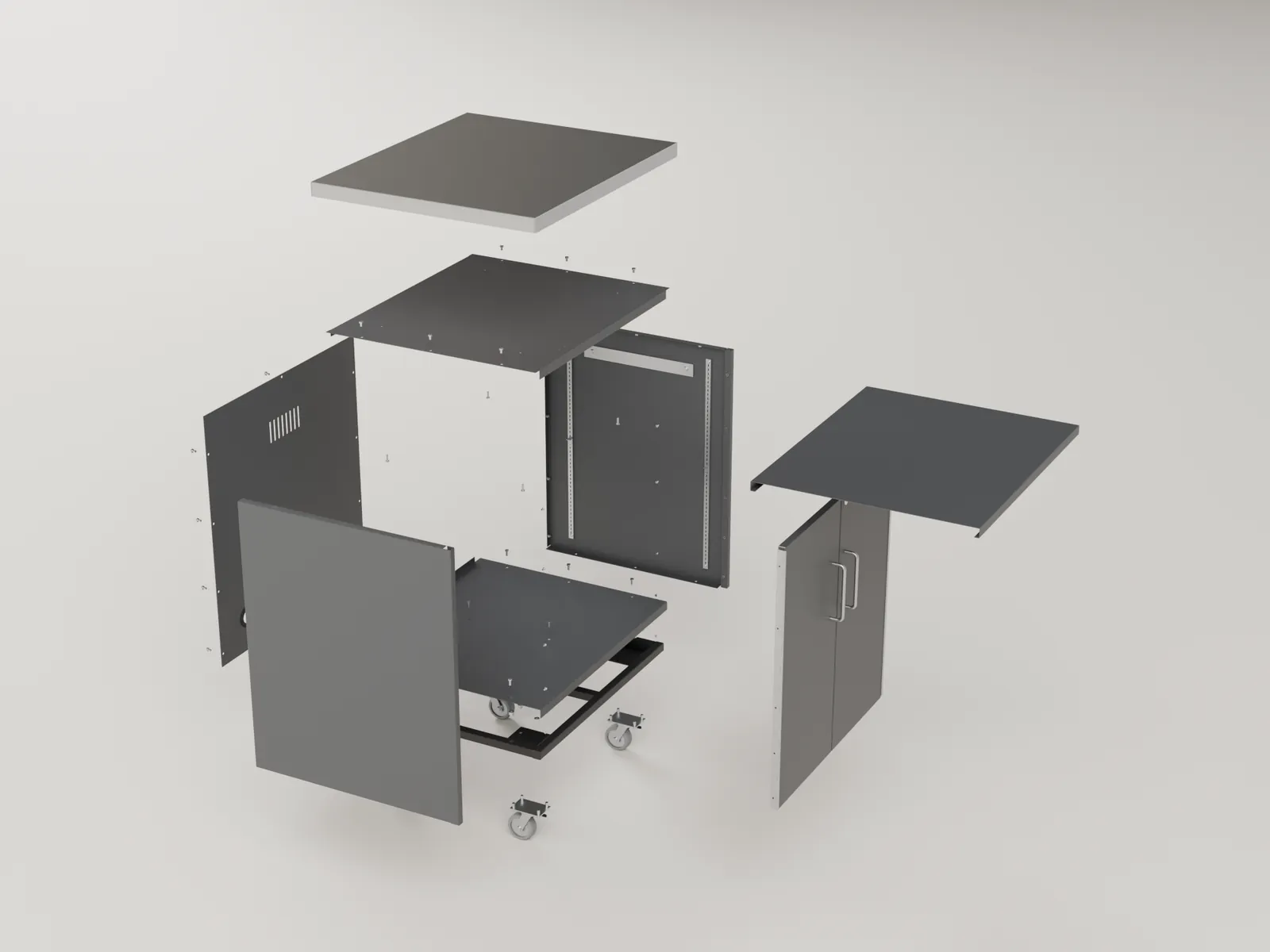
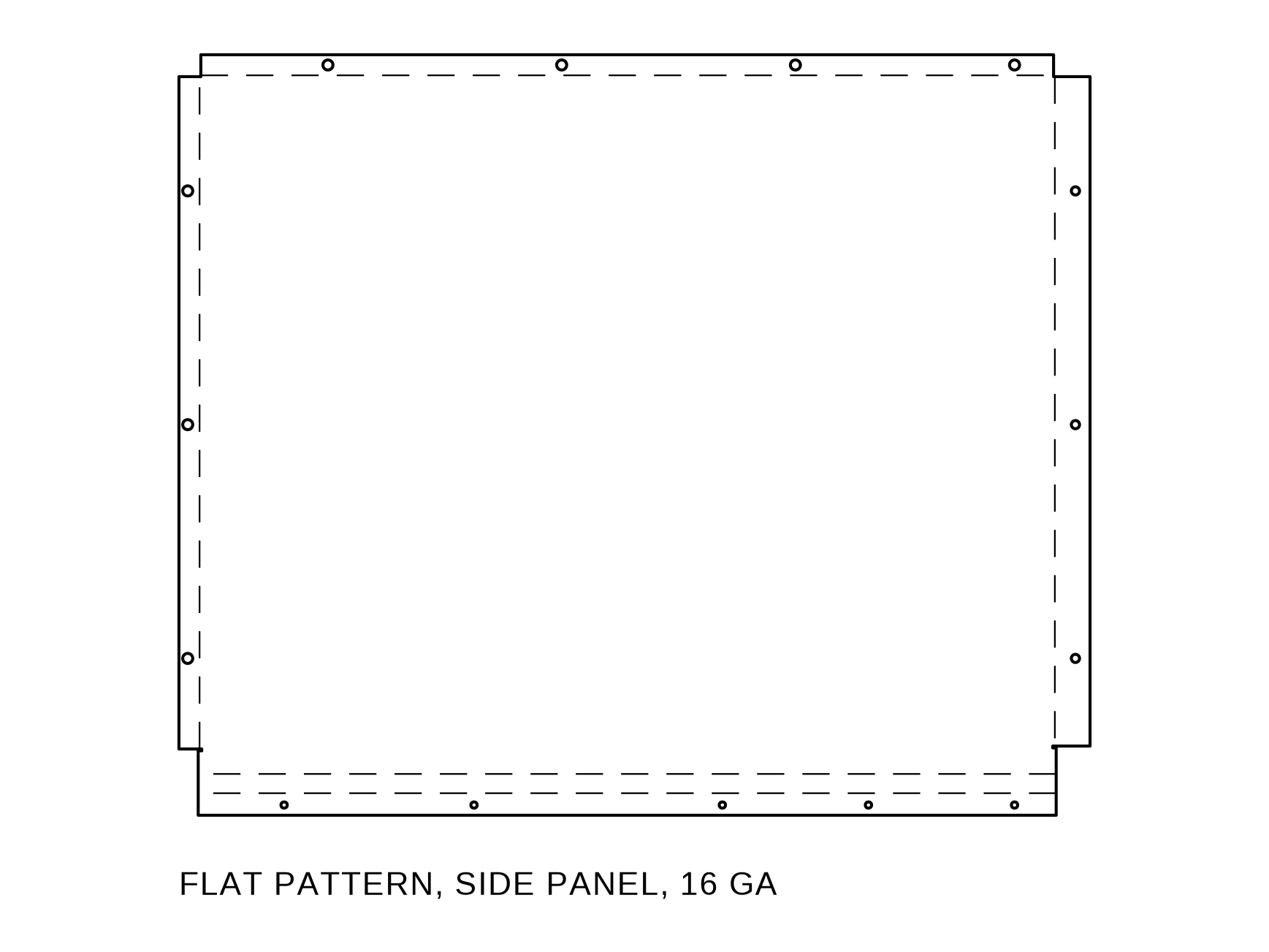
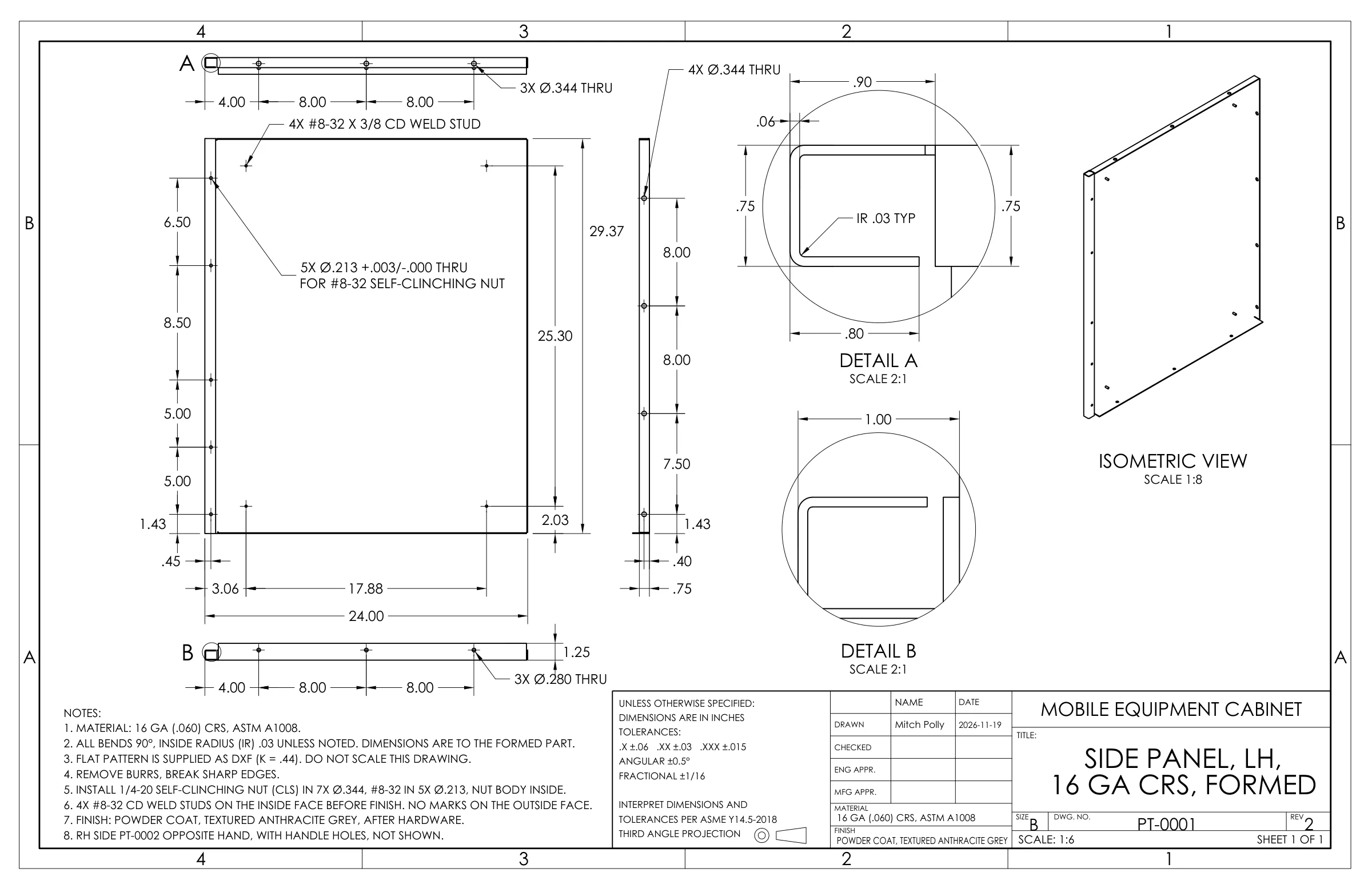
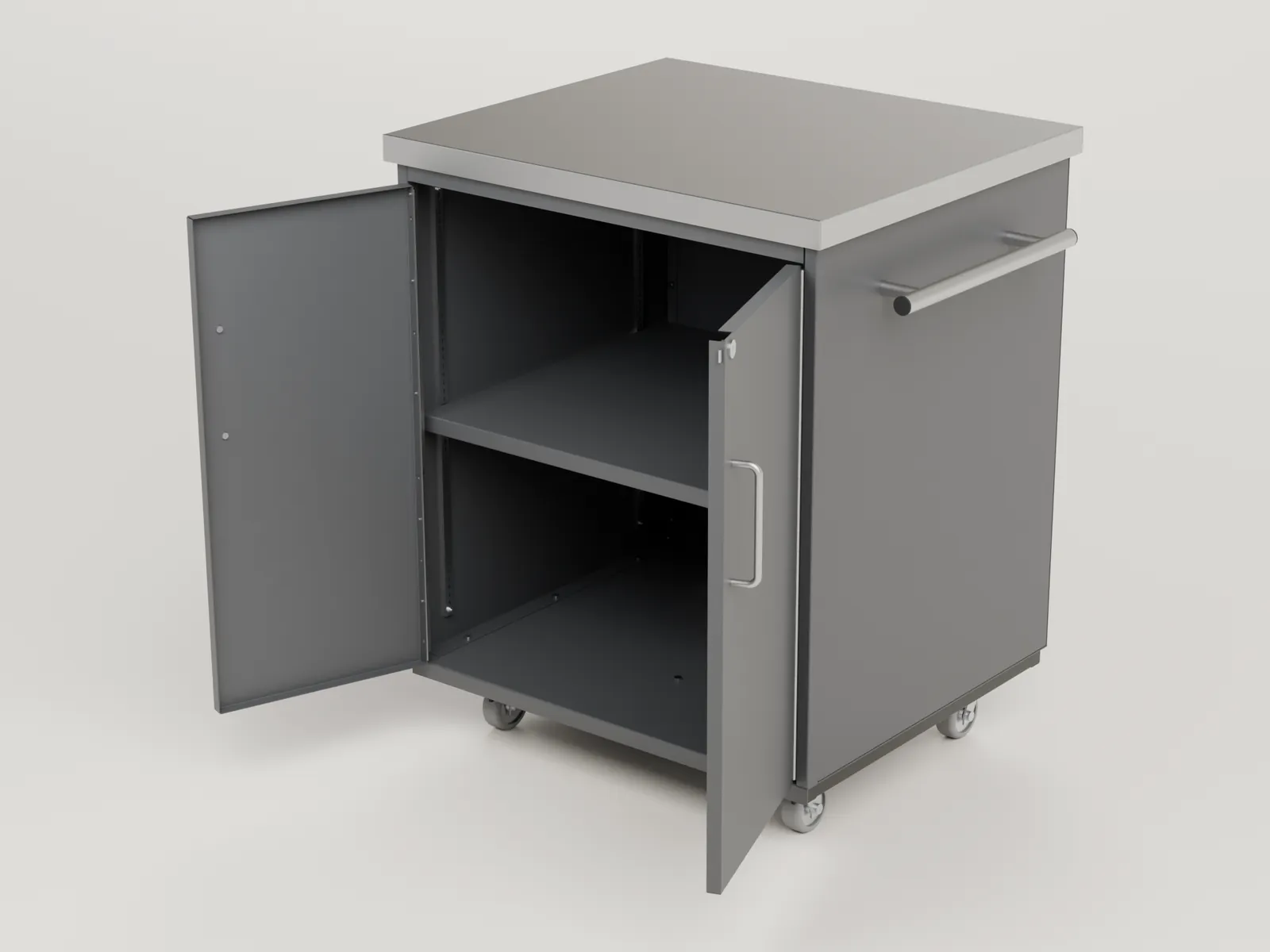
28 x 24 x 36 in, 16 and 18 gauge steel with a stainless top, on locking casters. Nine flat patterns, doors that swing a full 180 degrees, 159 lb. Every panel is drawn as the formed part, and the flats go to the laser as DXF.
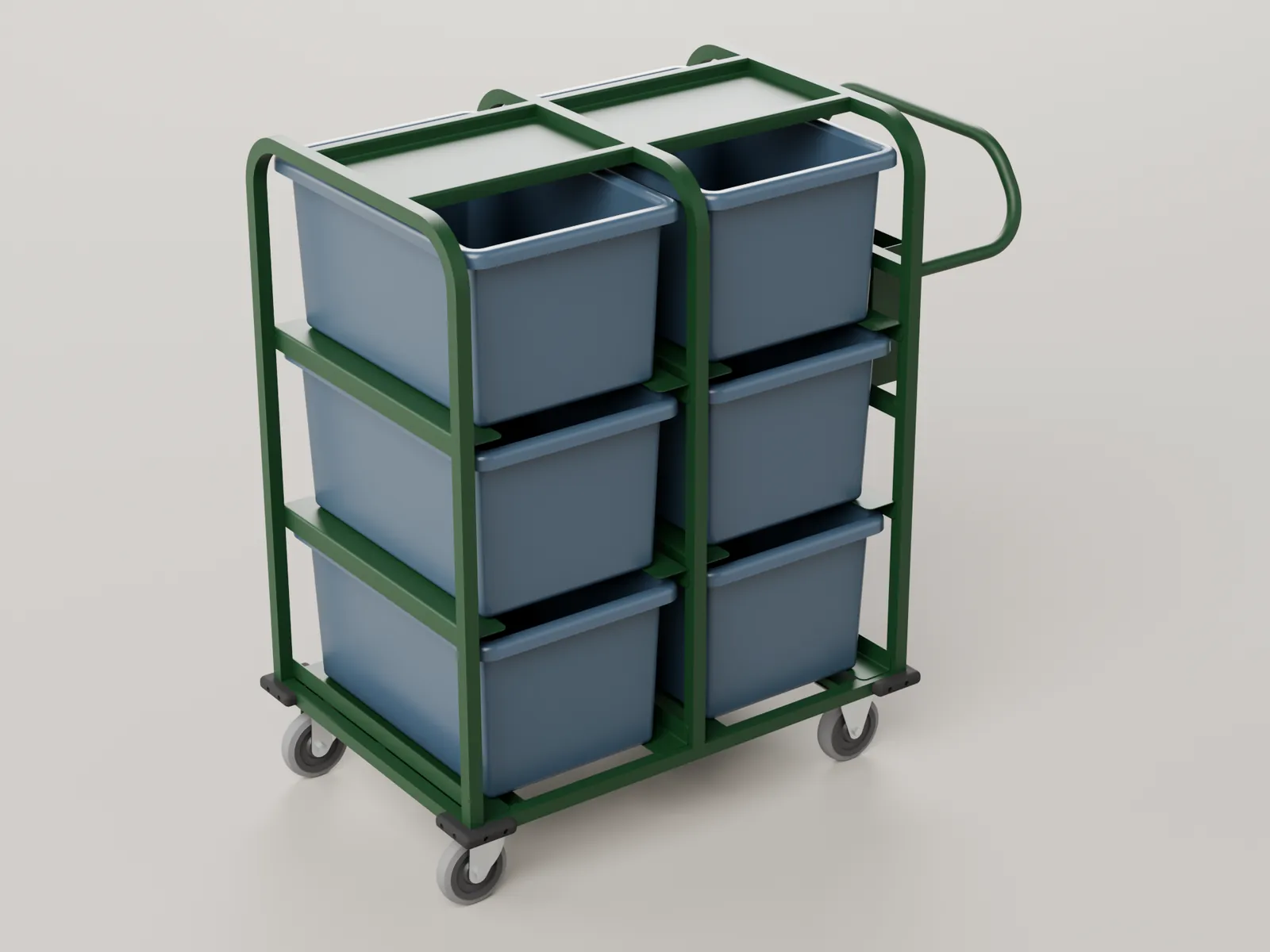
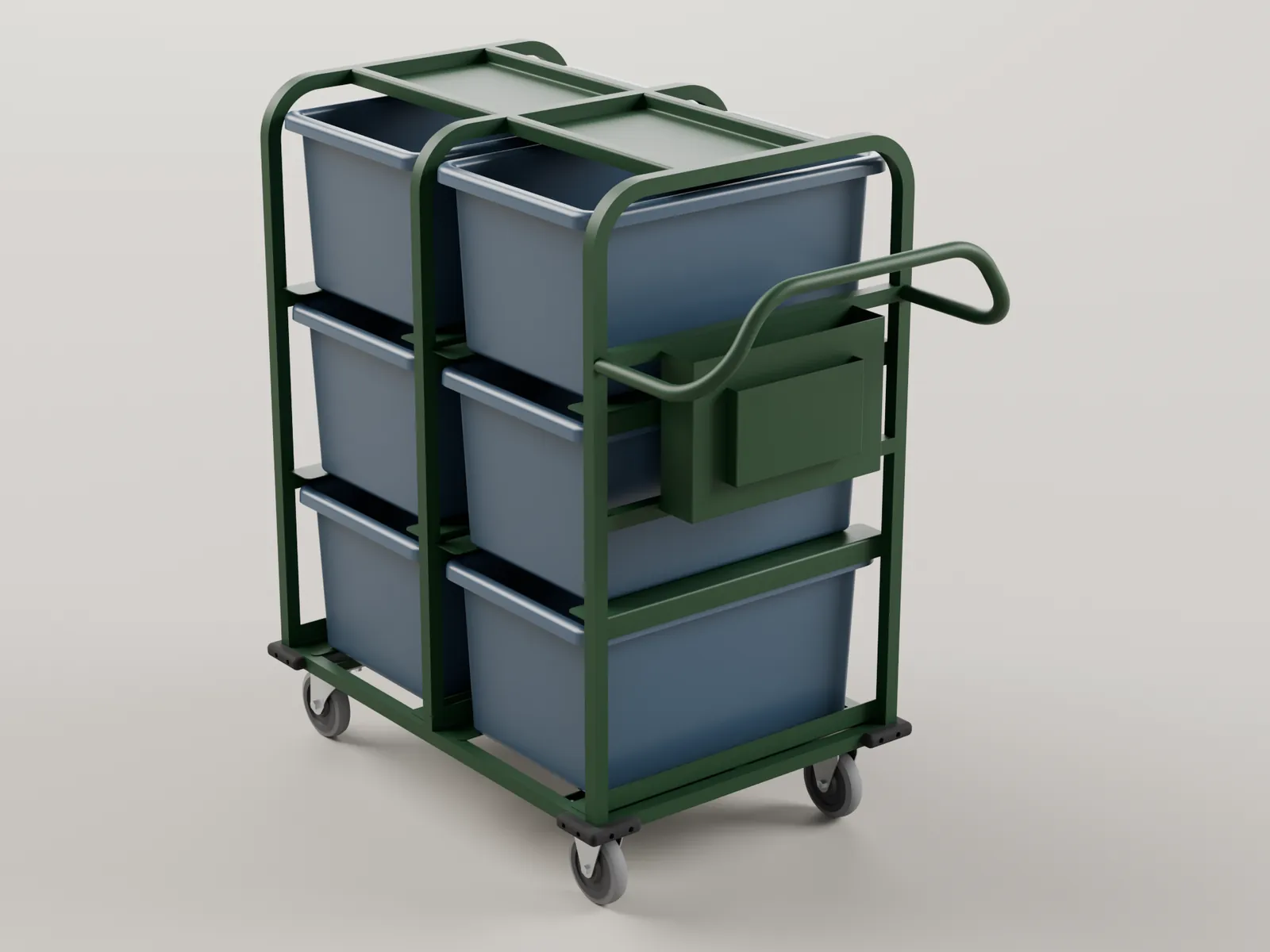
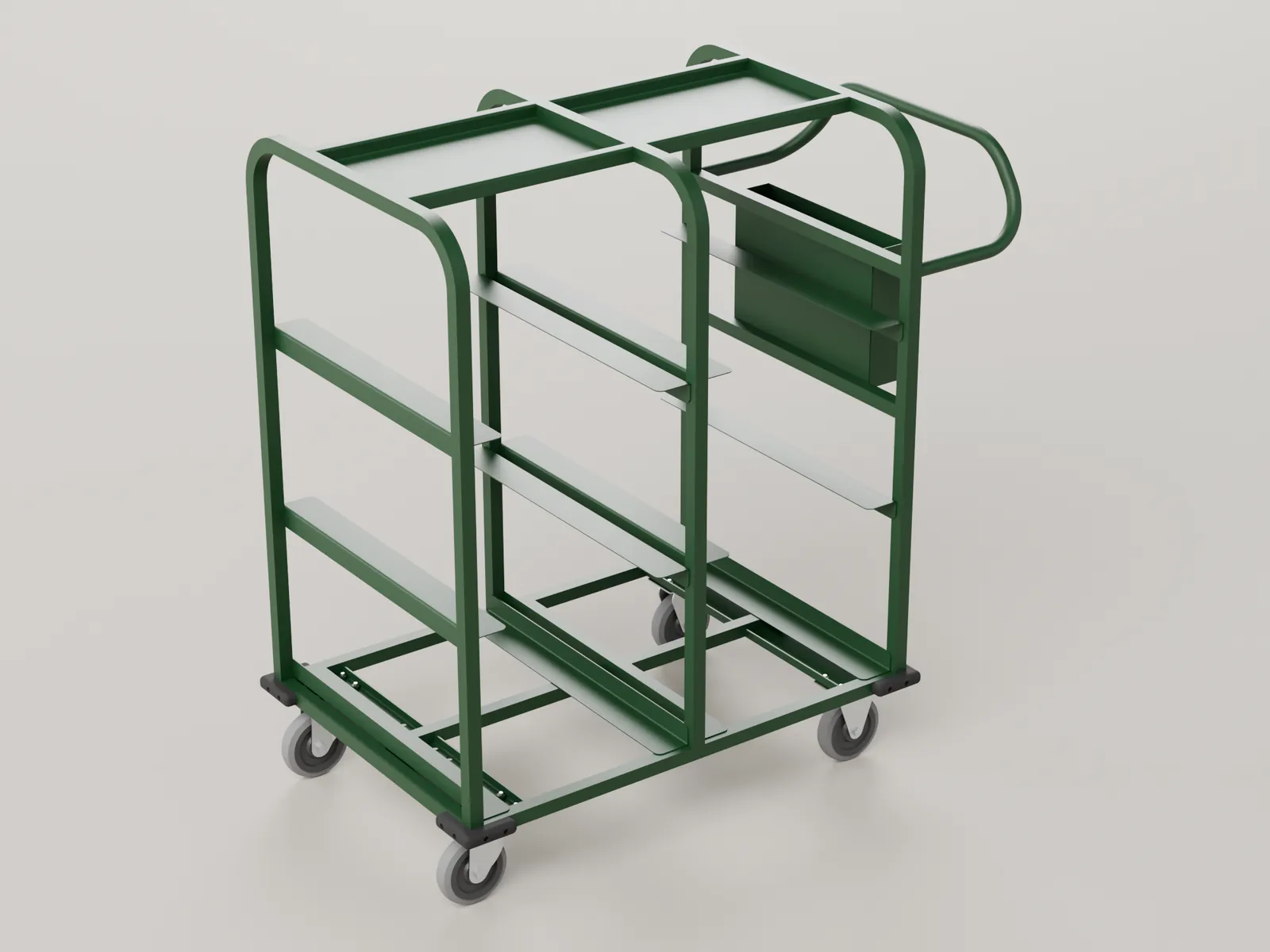
A welded tube frame that carries six totes on four swivel casters. Modelled in Fusion with a full set of part and weldment drawings.
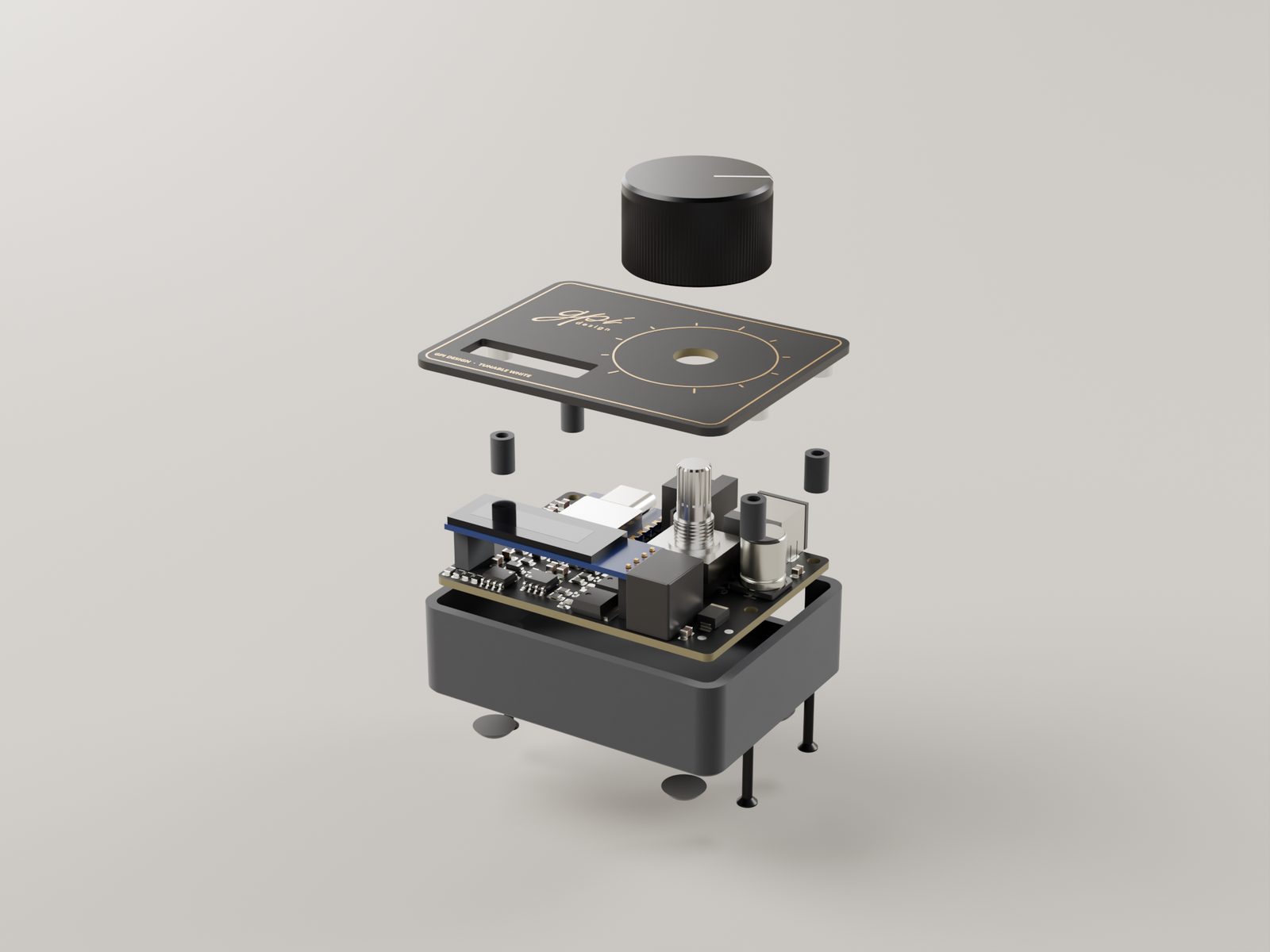
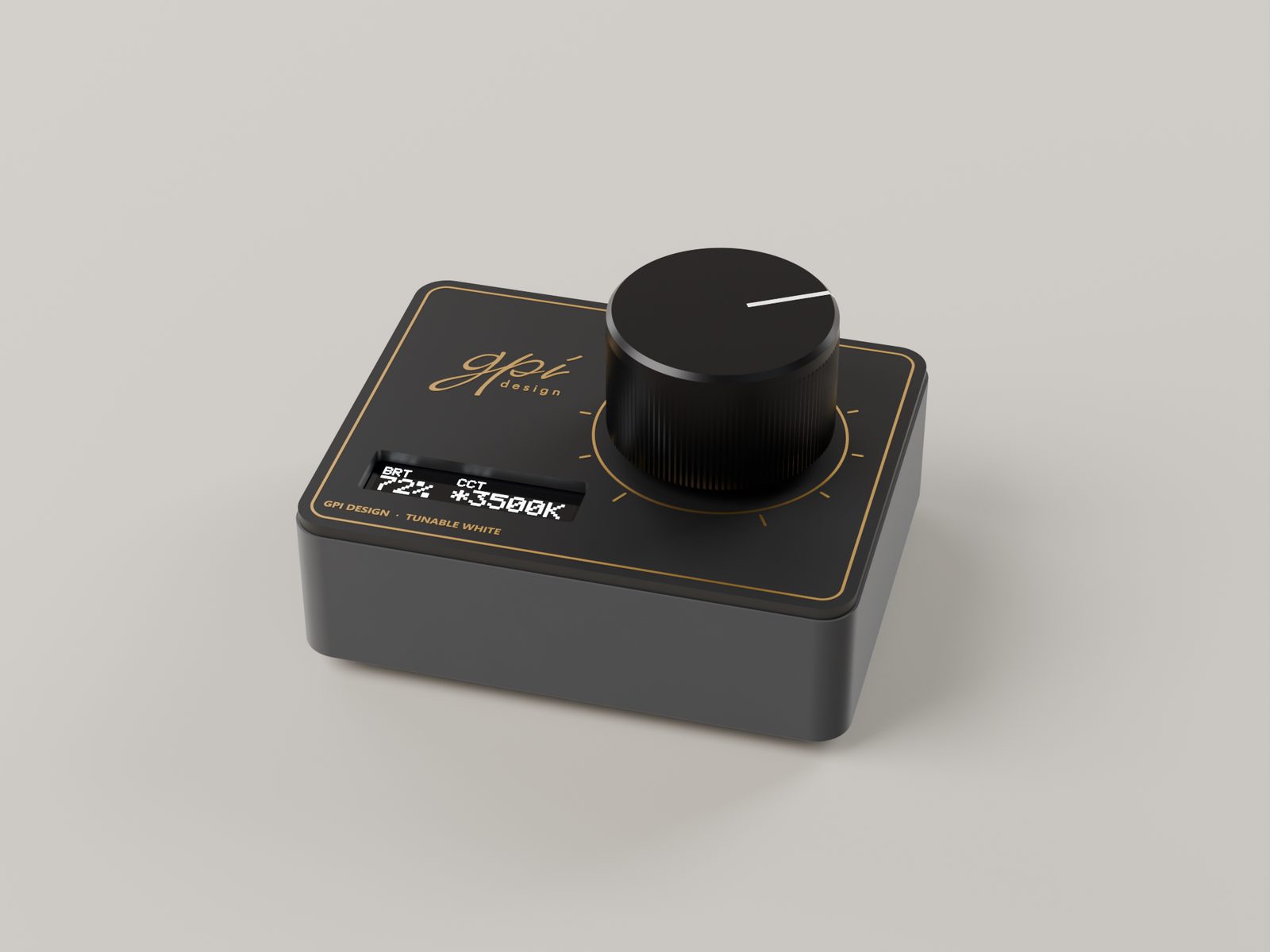
One knob for brightness and color temperature, a small OLED, and one plug that works with 12 V and 24 V panels. Two boards, a printed enclosure, fab files and the cost sheet.
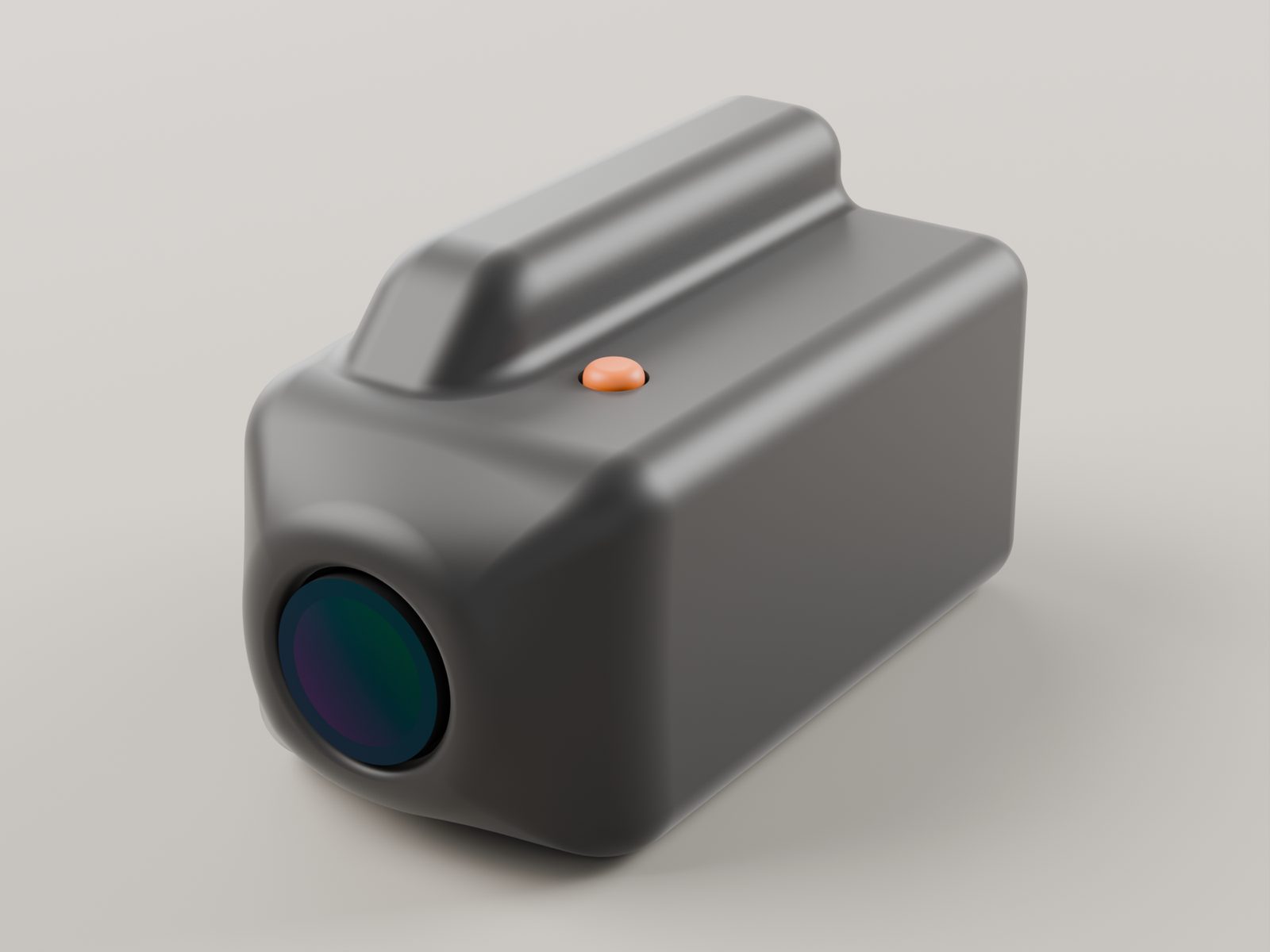
A printed housing for a micro camera and video transmitter, a battery, a USB-C charge board and a switch. It rides on an RC car and sends live video to goggles.
"Can you make a drawing for this?" That was the whole email.
A quick reply, so you know it landed.
The 3D model, checked against the sketch part by part before any drawing starts.
Views, dimensions, weld symbols, cut list.
Drawing, PDF and the SolidWorks files.
Sent before 9, back before lunch
3 h 27 m
8:46 AM to 12:13 PM
I built software that drives my CAD the way I would. It does the routine modeling and drafting in hours. I check every part and every sheet before you see it. Think of a CNC machine: it does the cutting, and the machinist still answers for the part.
Fast and confident. Also wrong in ways you won't see until the part is cut.
Careful. But you wait your turn and pay by the hour.
Drafted in hours, checked by someone who has built this stuff for twenty years.
That thing came out pretty well perfect, so it saved me a lot of time. You did that really quick.
From finding him to delivery was fast, professional, reasonably priced, and the end result was exactly what I expected and needed.
Mitch is a guy you can rely on. Communicative, helpful, timely.
Some shops don't need one drawing. They need someone who already knows their title block, their bend table and their last ten jobs. For a flat monthly price you get a block of design time, a same-day reply, and files that stay yours. Month to month. Stop whenever it stops paying for itself.
Tell me what keeps piling up
Twenty years designing things that have to fit together. I've been on the floor when a part didn't fit, and at the desk making sure the next one did.
I've built a lot of what I've drawn. In a fab shop I designed electric pallet jacks and customer products, then assembled them on the floor. On commercial jobs I've drawn the architectural and electrical sheets, then gone to the site and helped put it up: structure, lighting and electrical.
If I make your week easier, you'll send the next one. That's the whole plan.
I'm not a PE. I don't stamp drawings or sign off on load-rated or safety-critical parts. I'll give your engineer clean drawings to stamp.
Email it with whatever you have: a sketch, a photo, an old print, a STEP file. You'll get a fixed quote or one clear question back.